“Thank you Boise Family Law! Very professional and took care of all of my issues. Pleasure doing business with you all. Highly recommend!”
Raymundo O.


✨ Summarize
Waiting for action...
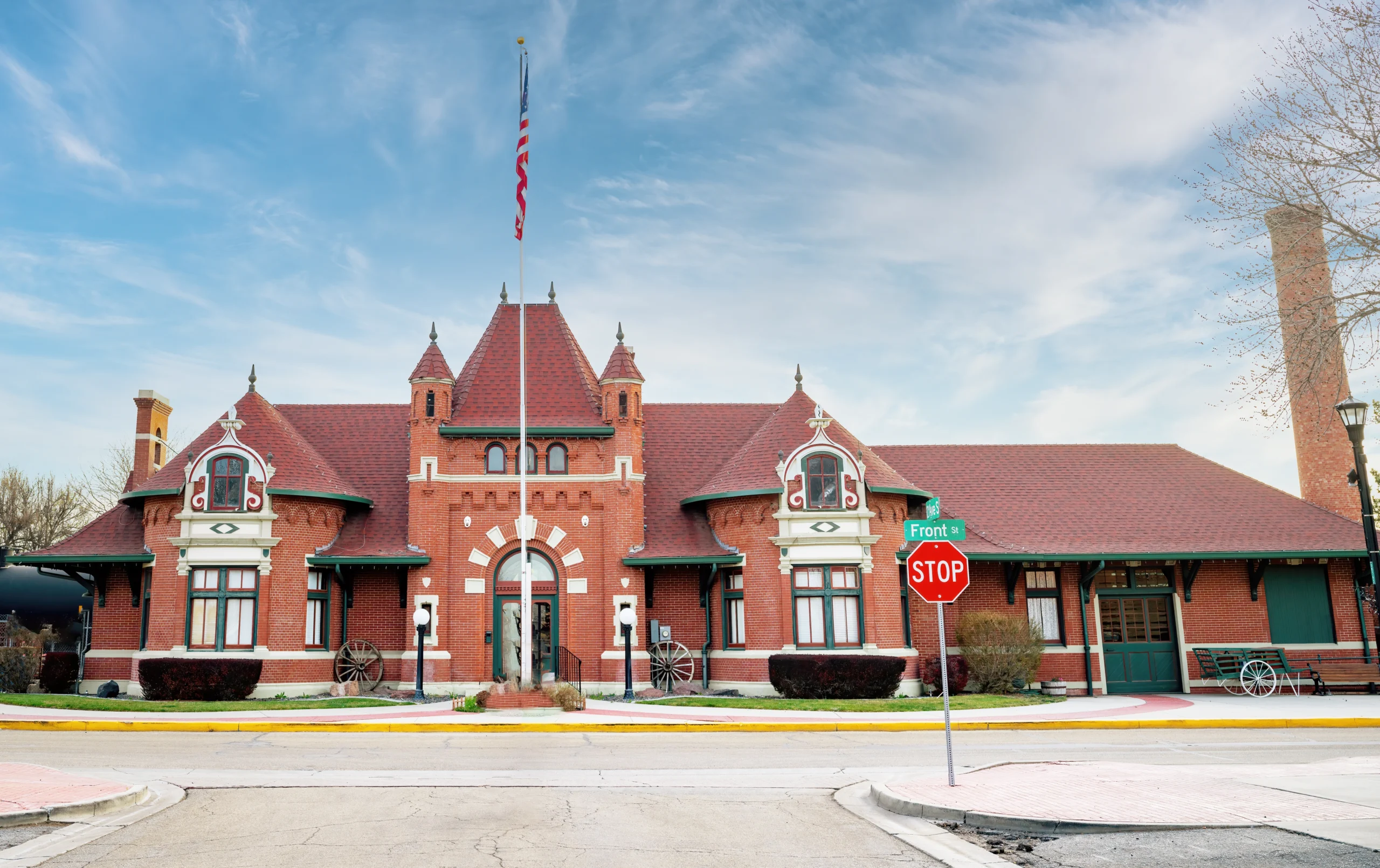
At Boise Family Law PLLC, family law is all we do. Attorney Aaron J. Tribble brings over a decade of experience representing couples and families in Nampa and throughout Canyon County, with a practice built entirely around family court. That focus matters: when your case involves Canyon County family court, you want an attorney whose entire practice is built around these matters, not divided between criminal defense, business disputes, and bankruptcy.
We offer affordable rates and virtual consultations, so Nampa families can access dedicated legal guidance without the added burden of traveling to a Boise office. Clients receive a strategy built around their specific goals. Clients regularly describe our firm as compassionate, professional, and genuinely responsive when it counts most.
If you’re facing a family law matter in Nampa, call us at 208-250-1786 to discuss your situation and understand your options.
Family cases are civil cases involving issues concerning spouses, children, and parents. In Idaho, family law governs a broad range of domestic matters, including divorce, child custody and support, adoption, legal name changes, spousal maintenance, and protective orders. Idaho Code Title 32 is the primary statutory framework governing most of these matters.
Divorce, or marriage dissolution, is the legal process by which a couple terminates their marriage. Under Idaho Code section 32-701, the filing spouse must have resided in Idaho for at least six weeks before filing. Divorce falls into two general categories: contested and uncontested.
A contested divorce is one where the spouses can’t agree on key issues, which may include property division, child custody, spousal maintenance, or whether to divorce at all. These cases require court intervention and can go to trial, where a judge decides the unresolved matters. Many cases that begin as contested reach resolution through negotiation before trial.
An uncontested divorce is one where both spouses agree on all terms, including how to divide property and, if applicable, arrangements for any children. Because these cases don’t require trial, discovery, or extended court procedures, they often move faster and cost less than contested divorces.
Parental rights include the duty and right to guide a child’s upbringing and education. Idaho courts may terminate these rights in cases of abandonment, neglect, abuse, or incarceration, when a parent is unable to discharge parental responsibilities, or when a court finds that the presumptive parent is not the biological parent and termination serves the child’s best interests.
When spouses with children divorce, custody and support are often the most consequential issues to resolve. A court may award sole custody to one parent or joint custody, where both parents share parenting time and decision-making authority. Under Idaho Code section 32-717B, there is a presumption that joint custody is in the best interests of the child, with each parent receiving significant time. The specific parenting plan is shaped by each family’s circumstances.
Child support in Idaho is calculated using an income-based model that accounts for both parents’ financial strength and earning capacity, and the custody arrangement also influences the amount. If the parties can’t agree, a judge determines support based on these factors. We handle custody and support matters for Nampa clients at every stage, including cases where court intervention is required.
Spousal support, also called alimony or maintenance, is an allowance paid by one spouse to the other when the recipient would not be financially stable after divorce without it. Idaho courts may order temporary support during the divorce process, rehabilitative fixed-duration support while a spouse regains earning capacity, or permanent support in appropriate cases. When spouses can’t agree, a family court judge determines eligibility, amount, and duration based on the facts of the case.
Both adults and children can legally change their name through a name change proceeding in Idaho family court. The process involves specific filing requirements, and we can guide you through each step and advise on what to do after the court grants the change, helping support the transition to your new legal name.
In Idaho, a spouse may request a full protection order in cases of domestic violence, including physical injury, sexual abuse, forced imprisonment, or threats of any of these. Courts may also issue restraining orders involving harassment, stalking, or danger, and these protections extend beyond spouses to family members and dating partners.
A full protection order may be granted following a court hearing at which both parties may appear and present evidence. In a marital case, a restraining order can also address child custody, establish a visitation schedule, and set child and spousal support.
Department of Health and Welfare cases involving child abuse or neglect can result in the termination of parental rights. When parental rights are terminated, a family court may grant adoption to legally establish a parent-child relationship between the child and a new legal parent.
Idaho allows both no-fault and fault-based divorce. A no-fault divorce is based on irreconcilable differences, meaning substantial reasons for not continuing the marriage. In a fault-based divorce, one spouse must demonstrate that the other’s misconduct caused the marriage to fail.
Recognized fault grounds under Idaho law include:
The divorce process begins with preparing a Complaint for Divorce and related forms available through the Idaho Judicial Branch. For an uncontested divorce, the filing must include a marital settlement agreement covering property division and, if children are involved, custody and support arrangements consistent with a parenting plan both parties have accepted.
Once filed, copies of all documents are served on the other spouse. Both parties then attend a court hearing where a judge reviews the paperwork, may ask clarifying questions, and may enter a Decree of Divorce. Contested cases involve additional steps, including discovery and potentially a trial, before the court reaches a final judgment.
Aaron J. Tribble can help Nampa clients prepare each required document accurately, meet procedural deadlines, and move through the process without unnecessary delays, whether the divorce is straightforward or heavily disputed.
Idaho is a community property state, meaning all property acquired by either spouse during the marriage is generally subject to division in divorce. This includes not just assets but also debts such as mortgages, credit card balances, and car loans incurred during the marriage.
Dividing marital property involves three steps:
Disputes over classification and valuation are common, particularly with real estate, retirement accounts, and businesses. We assist Nampa clients through both contested and uncontested property division, helping identify marital assets and debts accurately and seek a fair division.
Child custody has two components. Physical custody governs how a child’s time is divided between parents; legal custody governs who makes decisions about the child’s health, education, and welfare. Under Idaho Code section 32-717B, there is a presumption that joint custody serves the child’s best interests, giving both parents significant parenting time and shared decision-making authority. Joint custody doesn’t automatically mean a 50/50 schedule. The parenting plan reflects what works for the child’s specific circumstances.
In a contested custody case, a judge considers:
The guiding standard is the best interests of the child. A judge weighs each factor as it applies to the family’s particular situation, and outcomes vary accordingly.
There is no set formula for alimony in Idaho. A judge determines the amount and duration of any award based on the circumstances of each case and may order temporary support during the divorce process, rehabilitative fixed-duration support, or permanent support depending on those circumstances.
Factors a judge considers include:
Each alimony determination is fact-specific. The same factors can produce different outcomes depending on the financial picture and the length and nature of the marriage.
Whether you’re facing divorce, a custody dispute, a property division conflict, or another family law matter, Boise Family Law PLLC is ready to help. Aaron J. Tribble serves as a family law attorney for Nampa families and throughout Canyon County, handling every aspect of your case with the focused attention that comes from practicing exclusively in this area. We offer virtual consultations and affordable rates to make that representation accessible.
You don’t need to figure this out alone. Call us, tell us what you’re dealing with, and we can help you understand your options and what to expect.
Call us today at 208-250-1786 to discuss your situation with a family law lawyer in Nampa and take the first step toward protecting your family’s future.